


In 1974, the Laboratory of Enzymology was established within the Institute of Biochemistry of the Academy of Sciences of the Republic of Uzbekistan. In April 2012, due to the merger of the Institute of Biochemistry and the Institute of Bioorganic Chemistry, the laboratory was renamed the Laboratory of Evolutionary Biochemistry. On November 1, 2018, the Institute of Biophysics and Biochemistry was established under the National University of Uzbekistan. The Laboratory of Evolutionary Biochemistry was re-established within the institute and currently comprises 5 researchers, including 3 Candidates of Sciences (Ph.D.) and 2 junior researchers.
Evolutionary Biochemistry Laboratory
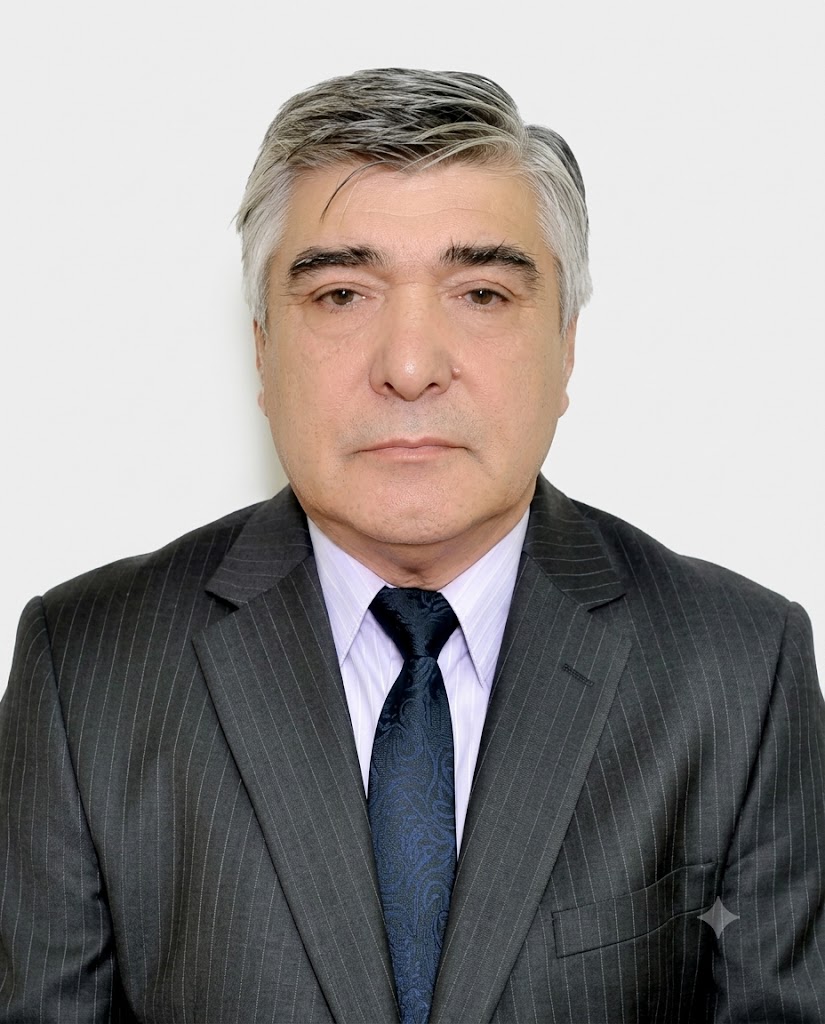
LEADERSHIP
Sadikov Erkin Saodatovich
Head of Laboratory
Academic Degree
Ph.D. in Biological Sciences, Senior Researcher
Specialization
Evolutionary biochemistry, snake venom toxinology, enzymology
Laboratoriya Tarixi
Main Scientific Directions of the Laboratory
Currently, the laboratory holds a leading position in the Republic of Uzbekistan in the study of biologically active substances derived from snake venoms.
The primary research focus of the laboratory is the high-purity isolation of protein components, enzymes, toxins, and low-molecular-weight peptides from Central Asian snake venoms, the in-depth investigation of their mechanisms of action, and the development of highly effective therapeutic drugs based on these findings.
- Isolation of biologically active compounds from Central Asian snake venoms.
- High-grade purification and characterization of proteins, enzymes, toxins, and peptides.
- Investigation of the mechanisms of action of snake venom components.
- Identification of promising bioactive molecules for novel pharmaceutical development.
Main Scientific Results of the Laboratory
- A series of enzymes have been isolated from snake venom in pure form, and their reaction kinetics as well as the correlation between venom toxicity and enzymatic activity have been characterized.
- Type I and Type II neurotoxins and 5 cytotoxins were isolated from cobra venom and comparatively characterized.
- Biologically active components isolated and characterized from Central Asian snake venoms include:
- prothrombin activator from saw-scaled viper (*Echis*) venom;
- blood coagulation factor X activator from blunt-nosed viper (*Macrovipera lebetina*) venom;
- blood coagulation factor V activator from cobra venom;
- thrombin-like enzyme and peptide inhibitors of angiotensin-converting enzyme (ACE) from *Gloydius halys* venom;
- proteinases that degrade fibrinogen;
- components modulating angiogenesis processes and specific stages of platelet activation.
- The biological properties of components exhibiting analgesic (antinociceptive) activity were thoroughly evaluated.
Implementation of Results into Practice
Elucidating the structure, biological activity, and mechanisms of action of bioactive components isolated from snake venom provides a scientific foundation for generating recombinant molecules. These molecules hold significant promise as experimental tools in fundamental and applied research, as well as therapeutic candidates in clinical and experimental medicine.
In 1974, the Laboratory of Enzymology was established within the Institute of Biochemistry of the Academy of Sciences of the Republic of Uzbekistan. In April 2012, due to the merger of the Institute of Biochemistry and the Institute of Bioorganic Chemistry, the laboratory was renamed the Laboratory of Evolutionary Biochemistry. On November 1, 2018, the Institute of Biophysics and Biochemistry was established under the National University of Uzbekistan. The Laboratory of Evolutionary Biochemistry was re-established within the institute and currently comprises 5 researchers, including 3 Candidates of Sciences (Ph.D.) and 2 junior researchers.
Currently, the laboratory holds a leading position in the Republic of Uzbekistan in the study of biologically active substances derived from snake venoms.
The primary research focus of the laboratory is the high-purity isolation of protein components, enzymes, toxins, and low-molecular-weight peptides from Central Asian snake venoms, the in-depth investigation of their mechanisms of action, and the development of highly effective therapeutic drugs based on these findings.
- Isolation of biologically active compounds from Central Asian snake venoms.
- High-grade purification and characterization of proteins, enzymes, toxins, and peptides.
- Investigation of the mechanisms of action of snake venom components.
- Identification of promising bioactive molecules for novel pharmaceutical development.
- A series of enzymes have been isolated from snake venom in pure form, and their reaction kinetics as well as the correlation between venom toxicity and enzymatic activity have been characterized.
- Type I and Type II neurotoxins and 5 cytotoxins were isolated from cobra venom and comparatively characterized.
- Biologically active components isolated and characterized from Central Asian snake venoms include:
- prothrombin activator from saw-scaled viper (*Echis*) venom;
- blood coagulation factor X activator from blunt-nosed viper (*Macrovipera lebetina*) venom;
- blood coagulation factor V activator from cobra venom;
- thrombin-like enzyme and peptide inhibitors of angiotensin-converting enzyme (ACE) from *Gloydius halys* venom;
- proteinases that degrade fibrinogen;
- components modulating angiogenesis processes and specific stages of platelet activation.
- The biological properties of components exhibiting analgesic (antinociceptive) activity were thoroughly evaluated.
Elucidating the structure, biological activity, and mechanisms of action of bioactive components isolated from snake venom provides a scientific foundation for generating recombinant molecules. These molecules hold significant promise as experimental tools in fundamental and applied research, as well as therapeutic candidates in clinical and experimental medicine.
- In-depth Analysis of Snake Venoms: Comprehensive biochemical profiling of venoms from various snake species; isolation of bioactive fractions using advanced chromatography and mass spectrometry techniques.
- Identification of Promising Medical Molecules: Searching for bioactive compounds that modulate blood coagulation, suppress inflammation, and relieve pain; evaluating novel bioactive molecules for oncology, cardiology, and neurology.
- Advancing International Collaboration: Conducting collaborative research with international scientific centers and universities; participating in global grants and innovative projects.
- Implementation of Cutting-edge Technologies: Incorporating modern methods of biotechnology, proteomics, and molecular biology into investigations; utilizing artificial intelligence and bioinformatics for bioactive molecule profiling.
Through these initiatives, the Evolutionary Biochemistry Laboratory aims to become a premier research hub in Central Asia for snake venom bioactive fractions, develop advanced diagnostic and therapeutic products, and contribute substantially to medicine and biotechnology.
U.S. International Grant (CRDF-2002, 2004). Collaborative research relationships are established with the Mirzo Ulugbek National University of Uzbekistan, Nizami Tashkent State Pedagogical University, the Republican Specialized Scientific-Practical Medical Center of Oncology and Radiology, and the Research Institute of Hematology and Blood Transfusion.
Scientific Relations and Cooperation
U.S. International Grant (CRDF-2002, 2004). Collaborative research relationships are established with the Mirzo Ulugbek National University of Uzbekistan, Nizami Tashkent State Pedagogical University, the Republican Specialized Scientific-Practical Medical Center of Oncology and Radiology, and the Research Institute of Hematology and Blood Transfusion.
Future Plans
- In-depth Analysis of Snake Venoms: Comprehensive biochemical profiling of venoms from various snake species; isolation of bioactive fractions using advanced chromatography and mass spectrometry techniques.
- Identification of Promising Medical Molecules: Searching for bioactive compounds that modulate blood coagulation, suppress inflammation, and relieve pain; evaluating novel bioactive molecules for oncology, cardiology, and neurology.
- Advancing International Collaboration: Conducting collaborative research with international scientific centers and universities; participating in global grants and innovative projects.
- Implementation of Cutting-edge Technologies: Incorporating modern methods of biotechnology, proteomics, and molecular biology into investigations; utilizing artificial intelligence and bioinformatics for bioactive molecule profiling.
Through these initiatives, the Evolutionary Biochemistry Laboratory aims to become a premier research hub in Central Asia for snake venom bioactive fractions, develop advanced diagnostic and therapeutic products, and contribute substantially to medicine and biotechnology.
Laboratory Staff
Sadikov E.S.
Head of Laboratory, Ph.D., Senior Researcher
Shkinev A.V.
Ph.D. in Biological Sciences, Senior Researcher
Sultonaliyeva N.M.
Ph.D. in Biological Sciences, Senior Researcher
Yuldashev E.N.
Junior Researcher
Nuriddinov A.N.
Junior Researcher